How Accurate Is AI Food Recognition Technology?
August 25, 2026
AI food recognition works by pointing your camera at a plate and getting back calories and macros a few seconds later. That speed makes it feel like measurement, but it isn't — it's estimation, and understanding why is what makes these tools useful instead of frustrating.
What the AI is actually doing
When you snap a photo, the model is running two separate guesses at once: what is this food, and how much of it is there. The first part — identification — is the part AI is genuinely good at. Modern image models can tell grilled chicken from fried chicken, or brown rice from white rice, with solid reliability, because that's a visual pattern-matching problem, and pattern matching is what neural networks are built for.
The second part — portion size — is the hard one, and it's hard for a reason that has nothing to do with how good the AI is: a 2D photo doesn't contain enough information to know volume. A pile of rice that looks identical from directly above could be an inch deep or two inches deep. A steak's thickness, a bowl's depth, how tightly food is packed — none of that is fully recoverable from a flat image. The app is inferring depth from shadows, plate-size references, and learned assumptions about how food typically looks, not measuring it directly.
The specific things that throw estimates off
A handful of concrete factors explain most of the variance you'll see — not "the AI is bad," but real, physical limits on what a photo can tell you:
- Hidden ingredients. Oil, butter, sauce, dressing, and sugar are calorie-dense and often invisible. A sautéed vegetable dish can swing wildly in calories depending on how much oil it was cooked in, and there's no way to see that from a photo.
- Database averages, not your actual food. When the AI says "chicken breast," it's pulling a nutritional profile for chicken breast in general. Your specific piece — brand, cut, marinade, how it was cooked — will differ from that average, the same way any generic label differs from what's actually on your plate.
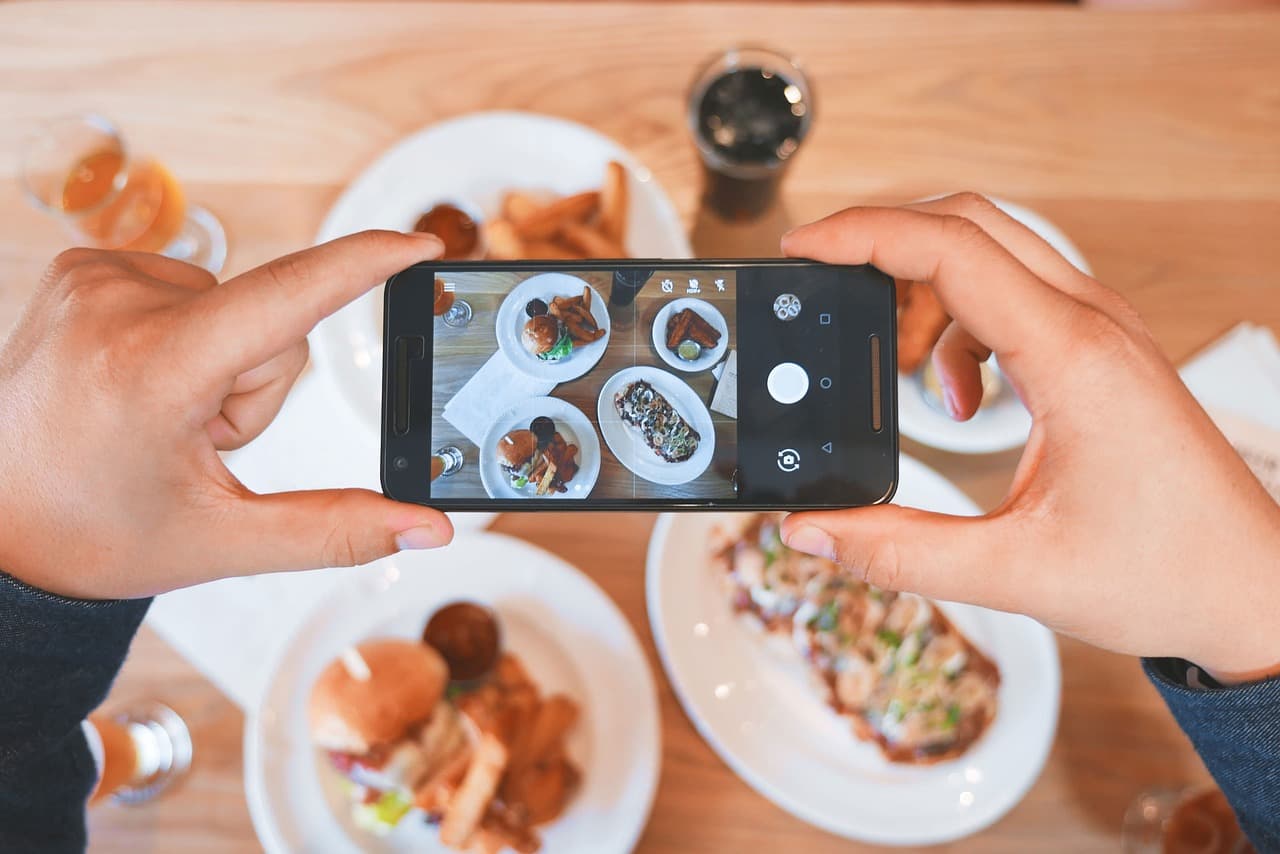
- Camera angle and lighting. A side-on photo shows height but hides what's underneath; an overhead shot shows spread but hides depth. Harsh shadows or dim light change how food edges read to the model. Neither angle is "wrong" — they just hand the AI different, incomplete information.
- Mixed and composite dishes. A stir-fry, a casserole, a burrito — these are much harder than a single identifiable food, because the model has to guess at proportions of ingredients it can't fully see, like what's under the sauce or how much rice versus meat is inside that wrap.
- No reference scale. Without something of known size in frame — a hand, a standard plate, utensils — the model has less to anchor its size estimate to, so portion guesses drift more.
None of this is a flaw unique to one app or one model. It's the nature of inferring a 3D, ingredient-level fact from a 2D image. Any AI food recognition tool, however well-trained, is working with the same underlying limitation: a photo tells you a lot about what food is, and considerably less about exactly how much of it, made exactly how, is sitting in front of you.
Why "estimate" is still genuinely useful
It's worth separating two questions: is AI food recognition perfectly accurate, and is it useful. The honest answer to the first is no — not in the lab-measurement sense, and any product that implies otherwise is overselling it. The answer to the second is yes, for a specific reason: consistency beats precision for almost everyone's actual goal.
If you're trying to eat within a calorie range, notice patterns in your protein intake, or just build the habit of paying attention to what you eat, a rough estimate logged every single day tells you more than a perfectly precise number you record once a week and then give up on. Directionally right and consistent wins over exact and abandoned.
Estimates also get sharper with input, not just time. When you correct a portion size or swap out an ingredient the AI got wrong, that fixes the immediate log — and in tools designed to learn from corrections, it narrows the gap for similar meals going forward. The underlying photo-to-volume problem doesn't get any easier, but the system accumulates more of your specific context: your usual bowl, your typical portions, the dishes you eat on repeat.
Using it well
The practical move is to treat the AI's first pass as a fast draft, not a verdict. Glance at the identified foods and portions, adjust anything that looks off — especially cooking oil, sauces, dressings, and anything hidden under other food — and move on. It takes a few extra seconds and closes most of the gap between estimate and reality.
Calerio is built around that same premise: it's upfront that a photo estimate is a fast first read, not a lab result, and it's designed for you to correct portions or swap ingredients in a couple of taps rather than treating the first guess as gospel. A tool that's honest about being an estimate is one you can actually trust to keep using, meal after meal.