Understanding Macros: Protein, Carbs, and Fat Explained
August 25, 2026
You've seen the macro breakdowns on food labels and tracking apps — grams of protein, carbs, and fat, usually next to a calorie count. But most people never got a straight answer on what those three numbers actually mean or why they matter more than calories alone. Here's the simple version.
What macros actually are
"Macros" is short for macronutrients — the three things in food that provide energy (calories). Protein and carbs both have about 4 calories per gram, and fat has about 9 calories per gram, more than double. That's the whole reason macros matter for weight management: two meals with identical calories can have very different amounts of protein, carbs, and fat, and that mix affects how full you feel, how much muscle you keep, and how your energy holds up through the day.
Calories tell you how much energy you're eating. Macros tell you what kind. Both matter, but they answer different questions.
Protein: the one worth prioritizing
Protein builds and repairs muscle, skin, hair, and just about every enzyme and hormone in your body. It's also the macro with the biggest effect on satiety — protein keeps you full longer than an equal amount of carbs or fat, which is a big deal if you're trying to eat less without feeling like you're constantly hungry.
Good sources: chicken, fish, eggs, Greek yogurt, cottage cheese, tofu, beans, lentils, and protein powder if you need a quick top-up. A common practical target is somewhere around 0.7–1 gram per pound of bodyweight per day if you're active or trying to preserve muscle while losing fat — but you don't need to hit a perfect number every day. Getting more protein than you currently eat is almost always a good move, regardless of the exact target.
Carbs: not the enemy
Carbs got a bad reputation over the last couple decades, but they're your body's preferred fuel source, especially for your brain and for anything moderately intense you do physically — walking fast, lifting weights, playing sports. The issue was never carbs as a category; it's the type and amount that matters.
- Fiber-rich carbs (vegetables, fruit, oats, beans, whole grains) digest slowly, keep blood sugar steadier, and come with vitamins, minerals, and fiber that supports digestion.
- Refined carbs (white bread, sugary drinks, most packaged snacks) digest fast, spike blood sugar, and are easy to overeat because they don't fill you up much per calorie.
You don't need to cut carbs to eat well. You just get more out of your calories when most of them come from the first category instead of the second.
Fat: essential, not optional
Fat has a bad rap for the opposite reason carbs do — the name itself makes it sound like the thing you're trying to lose. But dietary fat is essential: it's needed to absorb certain vitamins (A, D, E, K), it produces hormones including testosterone and estrogen, and it's a concentrated, steady energy source.
The distinction that actually matters is the type:
- Unsaturated fats (olive oil, nuts, seeds, avocado, fatty fish) support heart health and are worth prioritizing.
- Saturated fats (butter, fatty meat, cheese) aren't forbidden, but are worth keeping in moderation.
- Trans fats (found in some processed and fried foods) are the one category actually worth minimizing.
Because fat is calorie-dense at 9 calories per gram, it's also the easiest macro to overdo without noticing — a couple tablespoons of oil or a handful of nuts adds up fast.
Putting it together
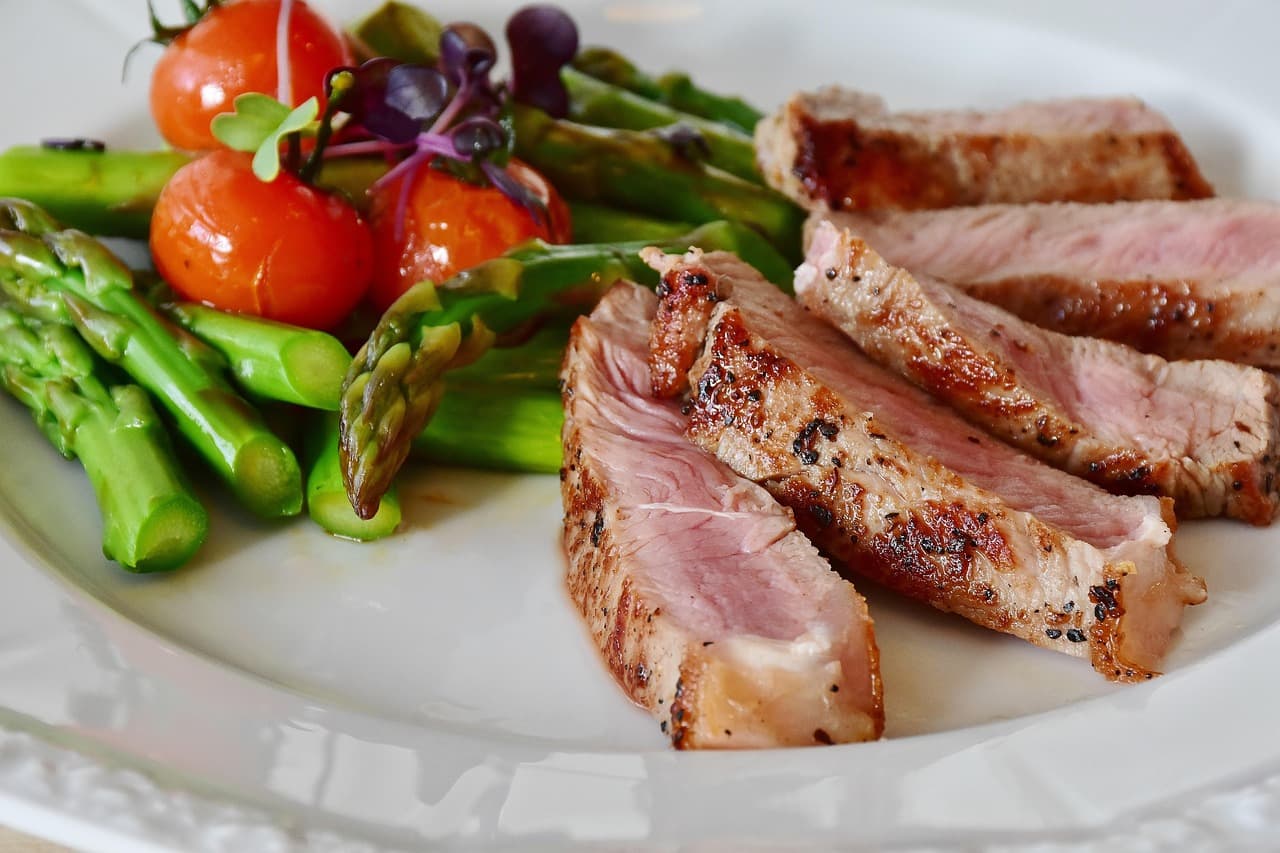
You don't need a spreadsheet to eat well, but having a rough sense of your macro split makes it a lot easier to hit your goals, whatever they are. A reasonable starting point for most people trying to lose fat or maintain weight while staying satisfied:
- Protein first — build meals around a protein source, then add everything else.
- Carbs from mostly whole-food sources — vegetables, fruit, whole grains, legumes.
- Fat in moderate, intentional amounts — cooking oil, nuts, dairy, fatty fish, rather than fat sneaking in through fried food and sauces.
The honest truth is that estimating grams of protein, carbs, and fat by eye is hard, and writing down every meal gets old fast. That's really the practical problem an app like Calerio is built to solve — snap a photo of your plate and get a macro estimate in seconds, which you can adjust if needed, so you can actually see the pattern in what you're eating instead of guessing.
Once you know roughly where your macros land day to day, the small decisions get easier: swapping a sugary drink for water, adding a scoop of protein to breakfast, choosing olive oil over butter. None of it requires perfection — it just requires knowing what's actually in your food.