Vitamins and Minerals: What Your Body Actually Needs
August 27, 2026
Vitamins and minerals aren't the same kind of thing
They get lumped together, but they work differently. Vitamins are organic compounds — your body (or the plants and animals you eat) builds them from carbon-based molecules, and several break down with heat, light, or time. Minerals are elements, plain and simple: iron is iron whether it's in spinach or a nail. They don't degrade with cooking, though they can leach into water you then pour down the drain.
The other split worth knowing: vitamins are either fat-soluble (A, D, E, K — stored in body fat, absorbed better alongside dietary fat) or water-soluble (the B vitamins and C — not stored much, so you need a steadier supply). That's why a salad with zero dressing is quietly less useful than one with olive oil, and why "I ate healthy once this week" doesn't work the way people hope for the water-soluble ones.
The nutrients most people actually fall short on
Most healthy diets cover the basics fine. A handful of nutrients are the ones that repeatedly show up low in population surveys, regardless of country:
- Vitamin D — sunlight-dependent, so low outside summer months or for anyone mostly indoors. Fatty fish, egg yolks, and fortified milk or cereal help, but food alone rarely covers it for people with limited sun exposure.
- Iron — found as easily-absorbed heme iron in red meat, poultry, and fish, and as non-heme iron in beans, lentils, spinach, and tofu (pair non-heme sources with vitamin C, like tomatoes or citrus, to absorb more). Common shortfall for menstruating women and people eating little meat.
- Calcium — dairy is the obvious source, but canned fish with bones, tofu set with calcium, and leafy greens like kale count too.
- Magnesium — nuts, seeds, whole grains, beans, and dark chocolate. Easy to under-eat if your diet leans heavily on refined grains.
- Potassium — bananas get the credit, but potatoes, beans, yogurt, and leafy greens all carry more per serving than people expect.
- Vitamin B12 — made by bacteria, essentially absent from plant foods. A real concern for anyone eating vegan, and worth watching even in older adults generally, since absorption drops with age regardless of diet.
- Folate — leafy greens, beans, and asparagus, or as folic acid in fortified grains.
Vitamins that get plenty of attention (some deserved)
- Vitamin C — citrus, peppers, broccoli, strawberries. Genuine deficiency is rare in people who eat any produce at all; megadosing beyond that has thin evidence behind most of its promised benefits.
- Vitamin A — sweet potatoes, carrots, and leafy greens (as beta-carotene, converted as needed) or liver and eggs (preformed). Fat-soluble, so it can build up — one of the few vitamins where "more" isn't automatically better.
- Vitamin E — nuts, seeds, and vegetable oils. Deficiency is genuinely unusual.
- Vitamin K — leafy greens almost exclusively. Relevant if you're on blood thinners, since intake needs to stay consistent rather than high or low.
- Zinc — meat, shellfish (oysters especially), seeds, and legumes. Involved in immune function and wound healing, which is why it gets marketed hard during cold season.
Why variety beats precision
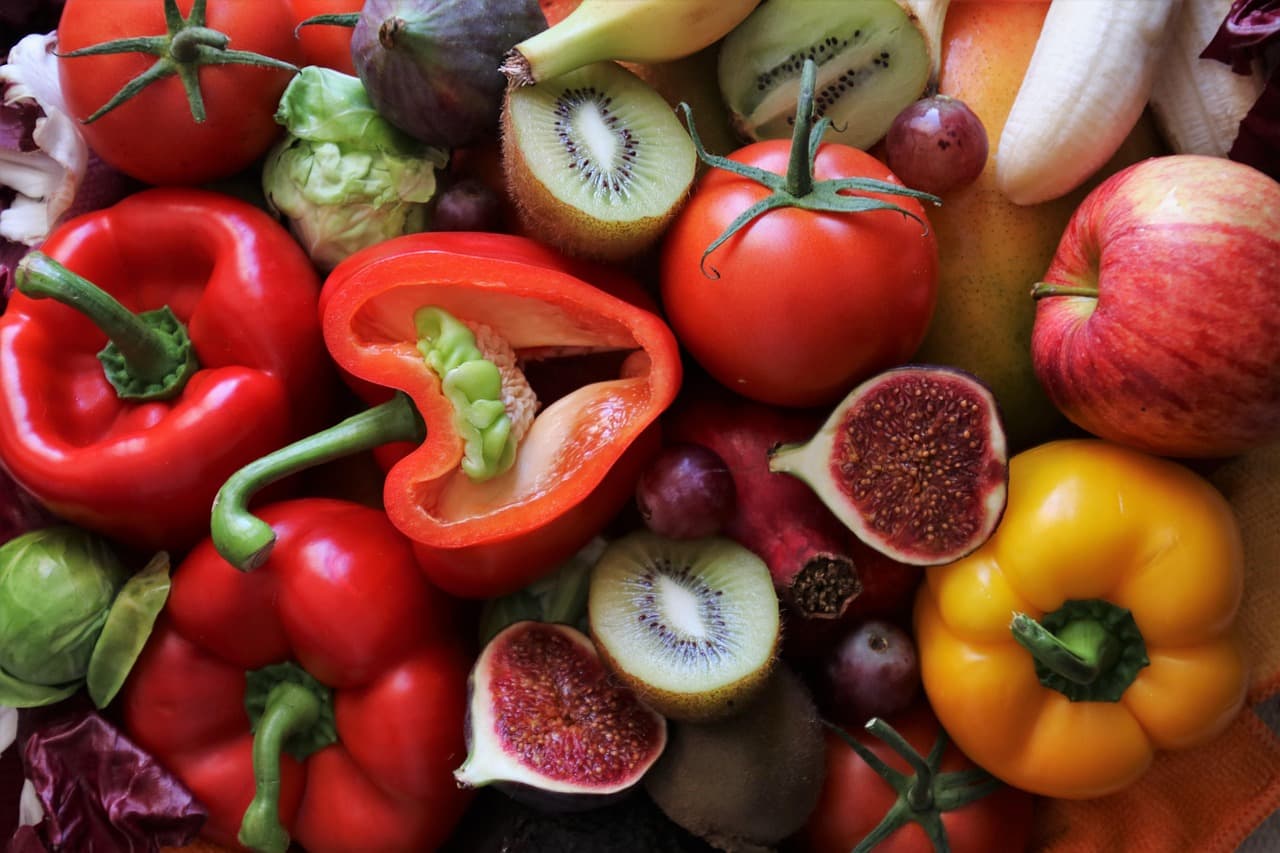
You don't need to memorize any of this to eat well. The pattern that reliably covers almost everything above is boring: different colors of vegetables and fruit across the week, a mix of protein sources rather than the same one daily, whole grains more often than refined, and some nuts, seeds, or fatty fish for the fats that help absorption. Deficiency in wealthy countries is rarely about total food quantity — it's about the same five meals on repeat.
Supplements have a real, narrow role: vitamin D in low-sun climates, B12 for vegans, iron when a blood test actually shows you're low, folic acid before and during pregnancy. Taking a broad multivitamin "just in case" isn't harmful for most people, but it's also not a substitute for the food itself — some nutrients are absorbed better alongside the fiber, fat, or companion compounds that whole food naturally provides, and taking isolated megadoses of fat-soluble vitamins can actually cause problems rather than solve them.
Calerio is built around calories and macros — protein, carbs, fat — because that's what a camera and a database can estimate reliably from a plate of food. Micronutrients aren't something we score, and they shouldn't be reduced to a single number anyway: the honest answer is still that eating a varied, mostly whole-food diet is the most reliable way to cover them, more than any tracking app or supplement aisle.