Gut Health Basics: What Actually Helps Digestion
August 27, 2026
"Gut health" gets slapped on everything from probiotic gummies to $12 kombucha, and most of it is noise. But underneath the marketing, there's a real, if still-developing, body of research on how what you eat affects your digestion and the trillions of microbes living in your gut. Here's the part that's actually worth acting on.
Fiber is the single biggest lever
If you only change one thing, make it fiber. Your gut bacteria eat what you don't digest, and fiber is their main fuel — specifically the fermentable kinds found in beans, oats, vegetables, and fruit. When gut bacteria break fiber down, they produce short-chain fatty acids that help maintain the gut lining and are linked to lower inflammation. Most people eating a typical Western diet fall well short of the fiber they need, which shows up as sluggish digestion, irregularity, and less microbial diversity.
The fix isn't a fiber supplement dumped into a smoothie once a day — it's spreading fiber across meals, from real food, so your gut has something to work with consistently. Beans, lentils, oats, berries, leafy greens, and whole grains are the reliable workhorses. If you're increasing fiber fast, add it gradually and drink more water — a sudden jump can cause bloating that has nothing to do with the food being "bad" for you, just your gut needing time to adjust.
Fermented foods: genuinely useful, not magic
Fermented foods contain live microbes, and some research suggests regularly eating them is associated with greater gut microbial diversity and lower markers of inflammation. That's a real, promising signal — but it's not the same as proof that a daily kombucha will fix your digestion. Treat fermented foods as a smart addition to a varied diet, not a supplement that cancels out everything else you eat.
Worth working into your regular rotation:
- Plain yogurt (unsweetened, with live/active cultures)
- Kefir — thinner than yogurt, often better tolerated by people who are lactose-sensitive
- Kimchi — fermented cabbage with a serious fiber bonus
- Sauerkraut (unpasteurized — pasteurization kills the live cultures)
- Kombucha (check the sugar content; some brands are basically soda with a health halo)
- Miso and tempeh
A spoonful of kimchi with dinner or swapping regular yogurt for a plain, live-culture one is a low-effort, no-downside habit. Just don't expect it to offset a diet that's otherwise low in fiber and plant variety — the research is clearer that fermented foods work best as part of a varied diet, not instead of one.
Plant diversity matters more than any single superfood
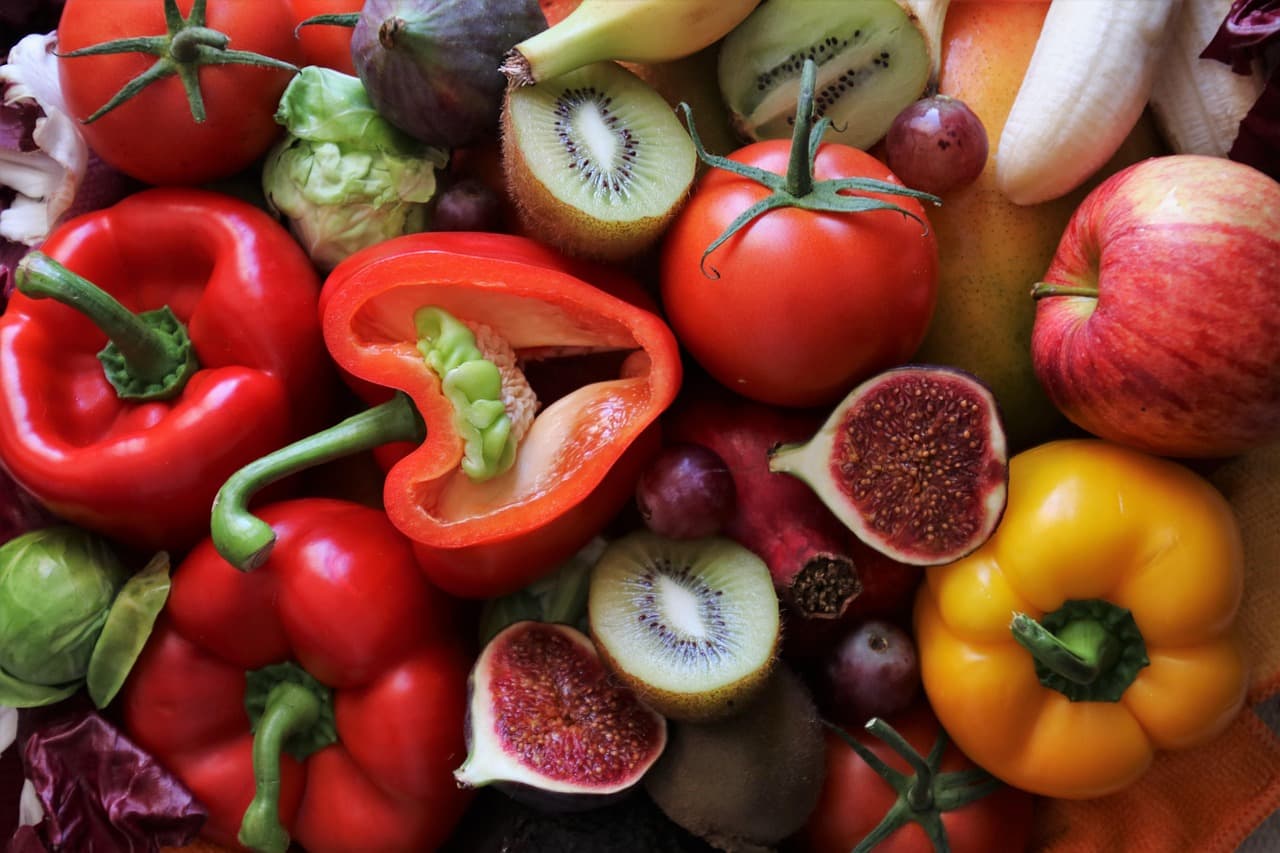
This is the part that gets buried under supplement marketing: your gut microbiome doesn't just want fiber, it wants variety. Different plants feed different bacterial species, and a more diverse microbiome is generally associated with better health markers. Researchers studying this have repeatedly pointed to the range of different plant foods people eat in a week — not the presence of one specific "superfood" — as a meaningful signal.
You don't need an exotic shopping list. Rotating between different vegetables, fruits, legumes, whole grains, nuts, seeds, and herbs — rather than eating the same three vegetables on repeat — is the actual lever. Frozen and canned produce count. A bag of mixed frozen vegetables you actually finish beats a bunch of kale that dies in the crisper drawer.
Hydration and the boring basics
Water doesn't get much credit, but it matters for digestion in a very literal way: fiber needs water to do its job. Without enough fluid, added fiber can make constipation worse instead of better. There's no need to obsess over ounces — drinking enough that you're rarely thirsty and your urine is pale yellow is a reasonable, unfussy target.
Movement, sleep, and stress also influence digestion more than people expect — gut motility and even microbial composition respond to stress and activity levels. None of this is as instagrammable as a probiotic drink, but it's where a lot of the real effect lives.
What's still genuinely unclear
Gut microbiome research is moving fast, but it's also young. Scientists are still working out which specific bacterial strains matter for which outcomes, how much individual variation affects results, and how commercial probiotic supplements compare to food-based sources — early signs suggest food often wins, but this isn't settled. Be skeptical of anything promising a specific gut fix from a specific product. The honest summary is: eat a wide variety of plants, get enough fiber, include some fermented foods, and stay hydrated. That combination is about as close to a sure thing as this field currently offers.
If you're already tracking meals, it's worth glancing at fiber alongside calories — Calerio logs both from a quick photo, so it's easy to notice if your week is actually gut-friendly or just calorie-friendly.