Best Zero and Low-Calorie Foods That Actually Fill You Up
August 27, 2026
"Zero calorie" is mostly a technicality, and that's fine
Nothing you chew and swallow is truly zero calories — but some foods are so low in calorie density and so high in water and fiber content that they round down close enough to not matter. The useful category isn't "zero calorie," it's high volume, low calorie density — food that takes up real space in your stomach and triggers genuine fullness signals without costing you much of your daily budget.
This matters most when you're trying to eat within a calorie target without feeling like you're constantly hungry. The trick isn't eating less food, it's eating food that's mostly water and fiber, so the volume stays high even as the calories stay low.
The genuinely useful low-calorie foods
These aren't diet-culture buzzwords — they're foods that reliably deliver bulk and nutrients for very little caloric cost:
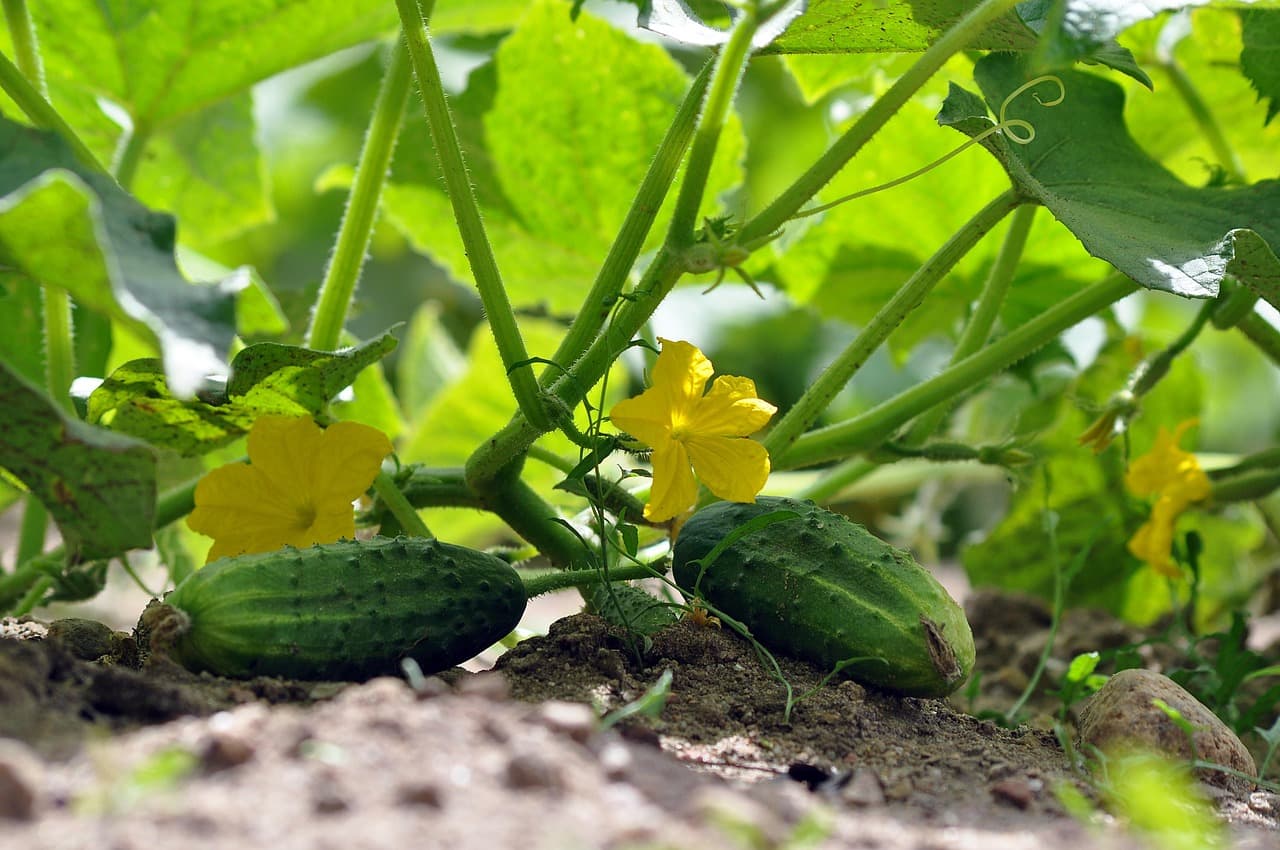
- Cucumber — about 95% water, extremely low calorie density, great for adding crunch and volume to salads or snacking on whole.
- Celery — similarly water-heavy, and its fibrous texture makes it satisfying to chew, which matters more for satiety than people realize.
- Leafy greens (spinach, arugula, romaine, kale) — a huge volume of food for very few calories, plus real nutrition (vitamins, fiber, some protein).
- Zucchini and summer squash — versatile, can be spiralized as a pasta substitute for extra volume in a familiar format.
- Bell peppers — sweet, crunchy, low calorie, and high in vitamin C, which also helps with iron absorption if you're eating them alongside plant proteins.
- Broccoli and cauliflower — higher in fiber than most vegetables, which adds to fullness beyond just water content.
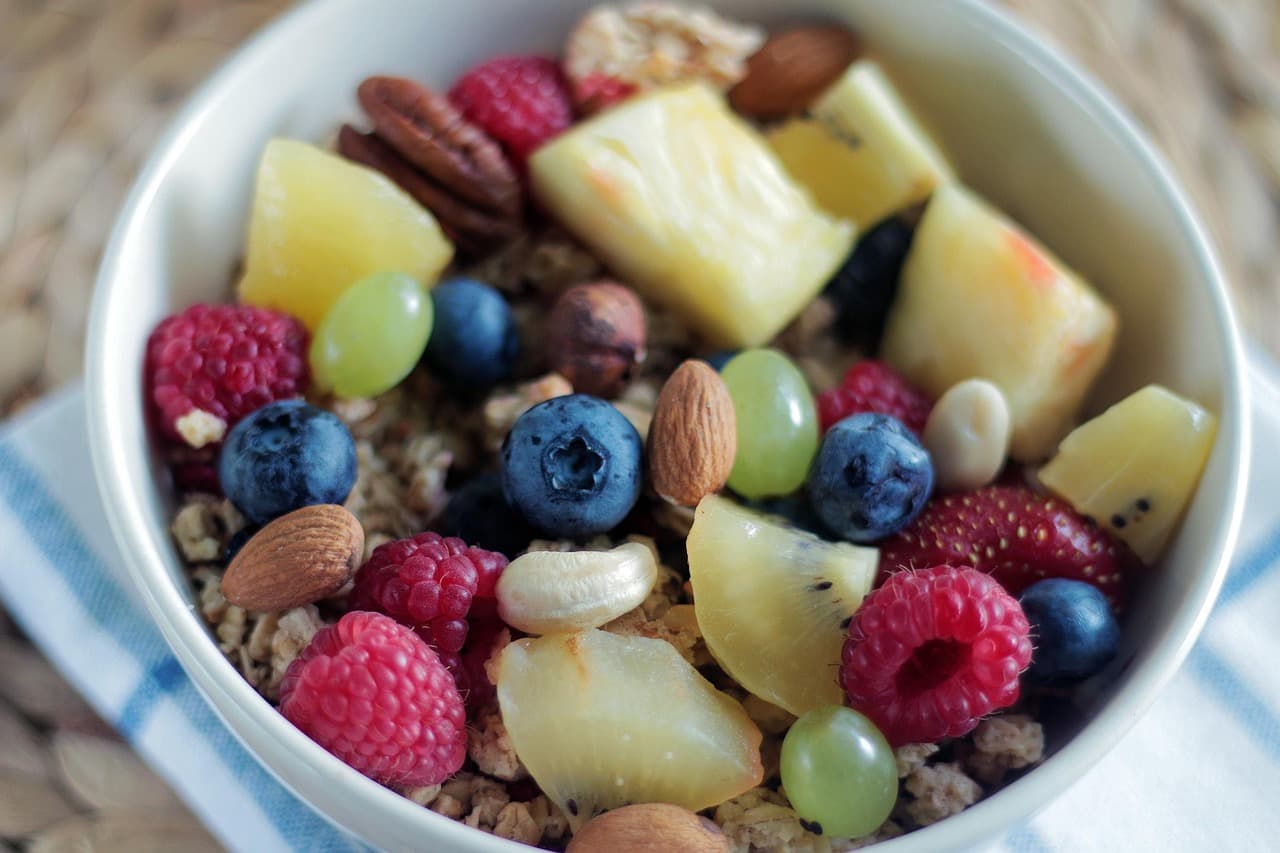
- Berries — the lowest-calorie fruit option by volume, with fiber that slows digestion compared to juicier fruits.
- Melon (watermelon, cantaloupe) — very high water content, genuinely filling for the calorie cost, good for a low-effort snack.
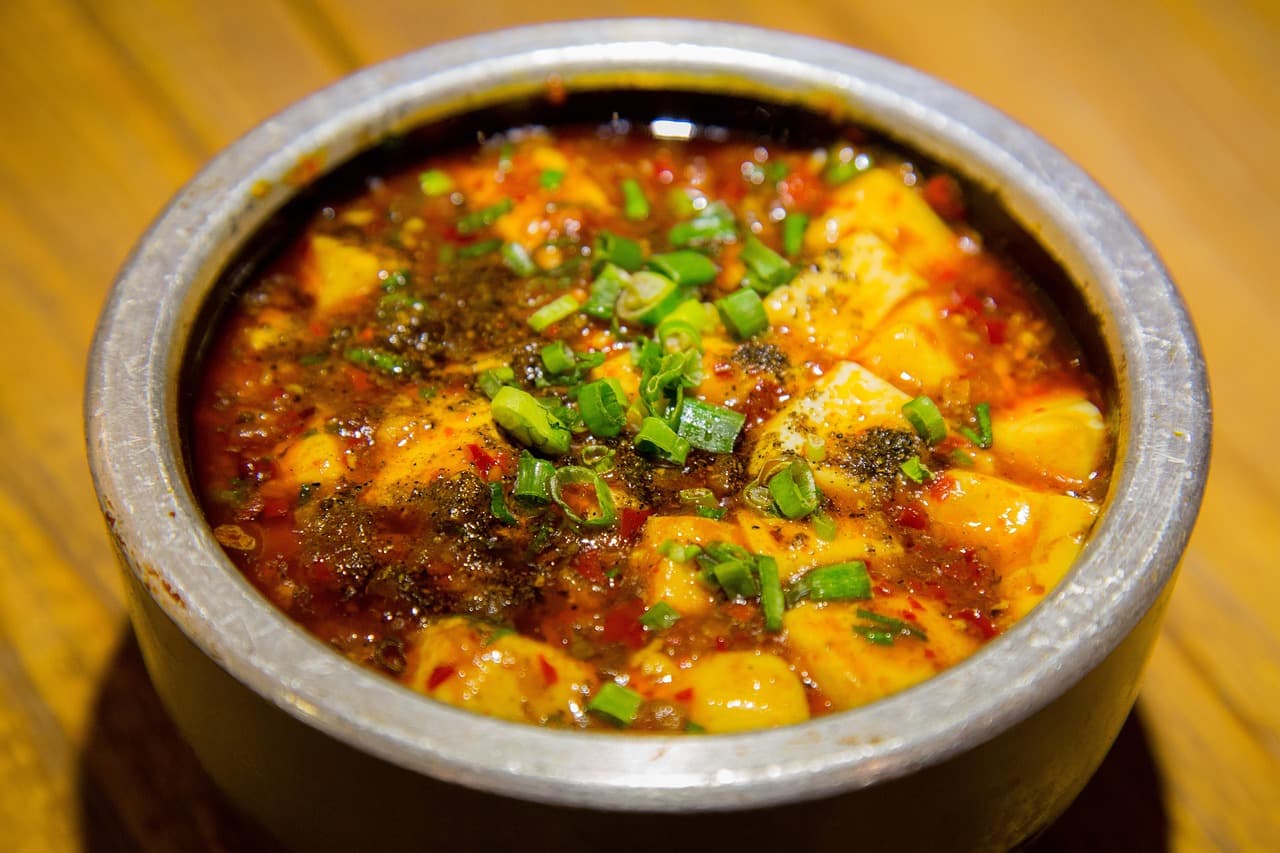
- Broth-based soups — a cup of vegetable or chicken broth-based soup adds volume and warmth for relatively few calories, and eating it before a meal is a well-known trick for eating less at that meal.
- Air-popped popcorn — an unusual entry here since it's not a vegetable, but by volume it's one of the most filling low-calorie snacks that exists, largely due to how much air is folded into a small number of calories.
Why volume matters more than people think
Fullness (satiety) is driven by a mix of signals — stomach stretch, the presence of protein and fiber, and how long a meal takes to eat. Low-calorie-density foods hit the first one hard: a big bowl of a cucumber-and-greens salad physically fills your stomach in a way that a small handful of nuts, despite having similar calories, simply doesn't. This is why "eating more to eat less" isn't a contradiction — building meals around high-volume, low-density foods lets you eat a genuinely large portion while staying within a calorie target.
The trap worth avoiding
Low-calorie foods aren't a free pass to skip protein and fat. A meal made entirely of cucumber and lettuce will fill you up for maybe an hour before hunger comes back hard, because there's little protein or fat to slow digestion and sustain fullness. The better approach is using these foods to bulk up a meal that already has a reasonable protein source — adding a big side salad to a chicken dinner, or bulking out a stir-fry with extra vegetables around the protein, rather than replacing protein with vegetables entirely.
Watch out too for what gets added on top: a "low-calorie" salad can quietly become a 700-calorie meal once a heavy dressing, candied nuts, and cheese are piled on. The vegetables aren't the problem in that scenario — what's riding along with them is.
Making it practical
You don't need to weigh cucumbers to benefit from this. A simple habit: when you're building a meal, start with the vegetables that add volume, then layer in protein and a reasonable amount of fat, rather than building the plate around a starch or protein and treating vegetables as an afterthought.
If you're tracking your meals, it's a genuinely useful exercise to see how much volume you can log for how few calories — Calerio's photo logging makes it easy to check that a big, colorful plate isn't secretly costing more than a smaller, denser one, so you can build meals around the foods that actually keep you satisfied.