Best Plant-Based Protein Sources for Vegetarians and Vegans
August 27, 2026
"Where do you get your protein?" is the question every vegetarian and vegan gets asked, usually by someone who has never checked how much protein is actually in a lentil. The honest answer: plenty of places, and most of them are cheap, filling, and easy to cook with.
The bigger myth worth clearing up is "incomplete proteins." Yes, most individual plant foods are lower in one or more essential amino acids than meat, eggs, or dairy. But you don't need a perfect amino acid profile at every meal. If you eat a reasonably varied diet across the day, some legumes, some grains, some nuts or seeds, the amino acids even out. Rice and beans on Monday, oatmeal and peanut butter on Tuesday, and a tofu stir-fry on Wednesday all add up just fine. The idea that you need to combine proteins at every single meal is outdated advice that nutrition science has since walked back.
How much protein do you actually need
Most adults need somewhere around 0.8 grams of protein per kilogram of body weight just to cover basic needs, and closer to 1.2 to 1.6 g/kg if you're active, strength training, or trying to preserve muscle while losing fat. For a 70kg (154lb) person, that's roughly 56 to 110g a day depending on goals. Plant-based eaters can absolutely hit those numbers, it just takes a bit more intention than grilling a chicken breast, since plant proteins tend to come with more carbs and fiber attached and are slightly less concentrated by weight.
The best plant protein sources
Here's a practical list of high-protein plant foods worth building meals around, with rough protein content per typical serving:
- Lentils — about 18g per cooked cup, plus fiber and iron. Cheap, versatile, and the backbone of dals, soups, and salads.
- Chickpeas — around 15g per cooked cup. Works in curries, roasted as a snack, or blended into hummus.
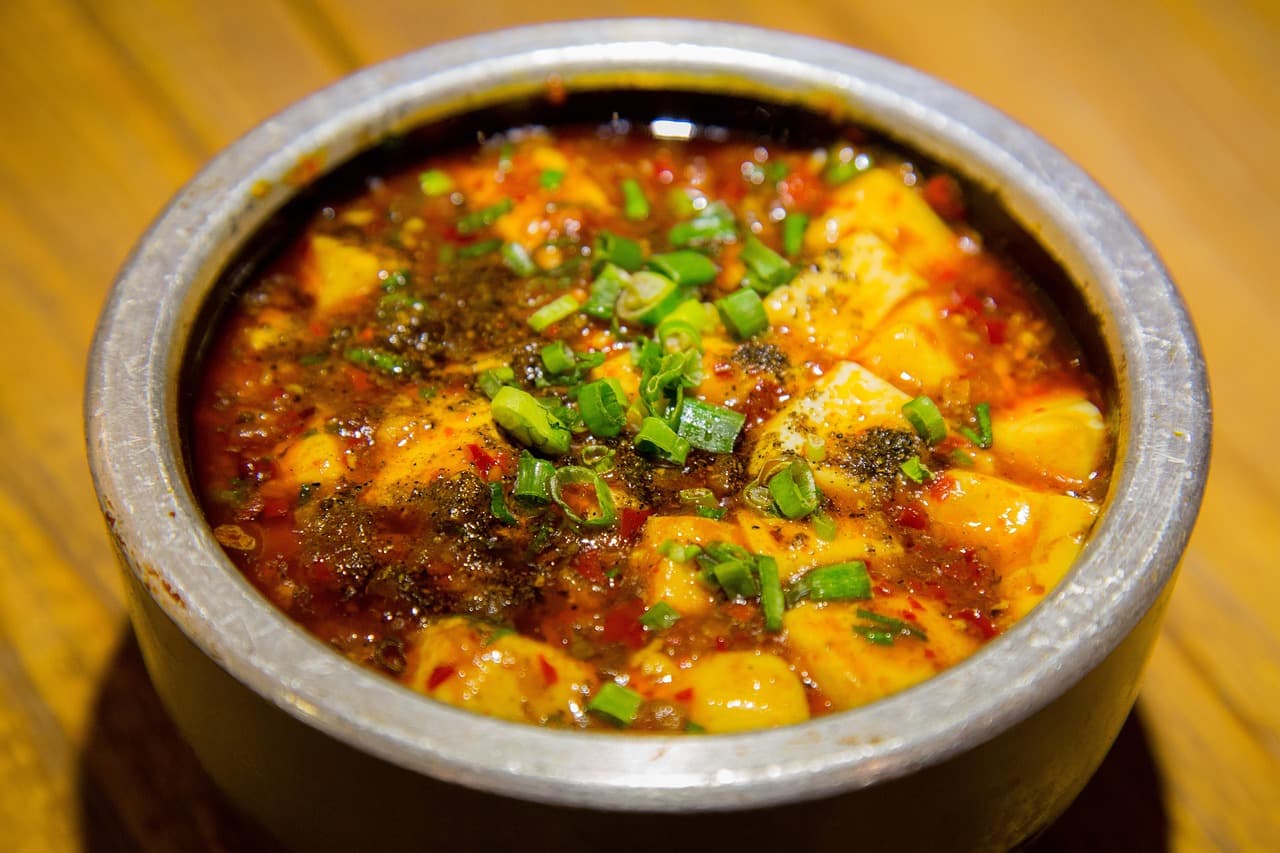
- Tofu — roughly 10 to 20g per 100g depending on firmness (firmer means more protein). Takes on whatever flavor you cook it in.
- Tempeh — about 19g per 100g. Fermented, firmer than tofu, and holds up well to grilling or pan-frying.
- Edamame — around 17g per cooked cup. A solid snack straight out of the pod or tossed into grain bowls.
- Seitan — one of the highest, at roughly 25g per 100g, since it's made from wheat gluten. Not an option if you're avoiding gluten, though.
- Black beans, kidney beans, pinto beans — around 15g per cooked cup, plus resistant starch that's good for gut health.
- Quinoa — about 8g per cooked cup, and one of the few plant foods that's a genuinely complete protein on its own.
- Hemp seeds — roughly 10g per 3 tablespoons, easy to sprinkle on anything without cooking.
- Chia seeds — around 5g per 2 tablespoons, plus omega-3s.
- Peanut butter and other nut butters — about 7 to 8g per 2 tablespoons.
- Soy-based yogurt — varies by brand, but some hit 12 to 15g per cup, more than most dairy yogurt.
- Plant-based protein powder (pea, soy, or blends) — typically 20 to 25g per scoop, useful for hitting a number when whole food isn't practical.
Building meals that actually hit your target
The easiest way to raise protein without overhauling how you eat is to make legumes or tofu and tempeh the base of a meal rather than a garnish. A curry built around a full cup of chickpeas has a very different protein count than one with a token handful tossed in for texture. Batch-cooking a big pot of lentils or a tray of baked tofu at the start of the week means protein is already there when you're assembling lunch, instead of something you have to think about from scratch every day.
Pairing helps too, not for amino acid completeness (you don't need to sweat that anymore) but because grains plus legumes together tend to be more satisfying and give you a fuller amino acid spread without any real planning: rice and beans, hummus and pita, peanut noodles, dal and roti.
If you're leaning on protein powder to close the gap, that's completely fine. It's concentrated food, not a shortcut with a downside. Pea protein and soy protein isolate both have strong amino acid profiles and are worth considering if whole foods alone aren't getting you there.
Keeping track without obsessing over it
You don't need to weigh every lentil to eat well, but if you're actively working toward a protein target, seeing where you actually land each day is useful, most people underestimate how little protein is in what they're eating until they check. Calerio's photo logging works exactly the same for a tofu stir-fry or a chickpea salad as it does for a chicken dinner, so tracking protein doesn't look any different whether you eat meat or not.
Plant-based eating isn't a protein compromise once you know where to look. Legumes, soy foods, and a few smart additions like hemp seeds or a scoop of protein powder make hitting your numbers straightforward, no meat substitute required, and no need to plan every meal like a chemistry equation.