Added Sugar vs. Natural Sugar: The Real Difference
August 27, 2026
Chemically, Your Body Doesn't Care Where Sugar Came From
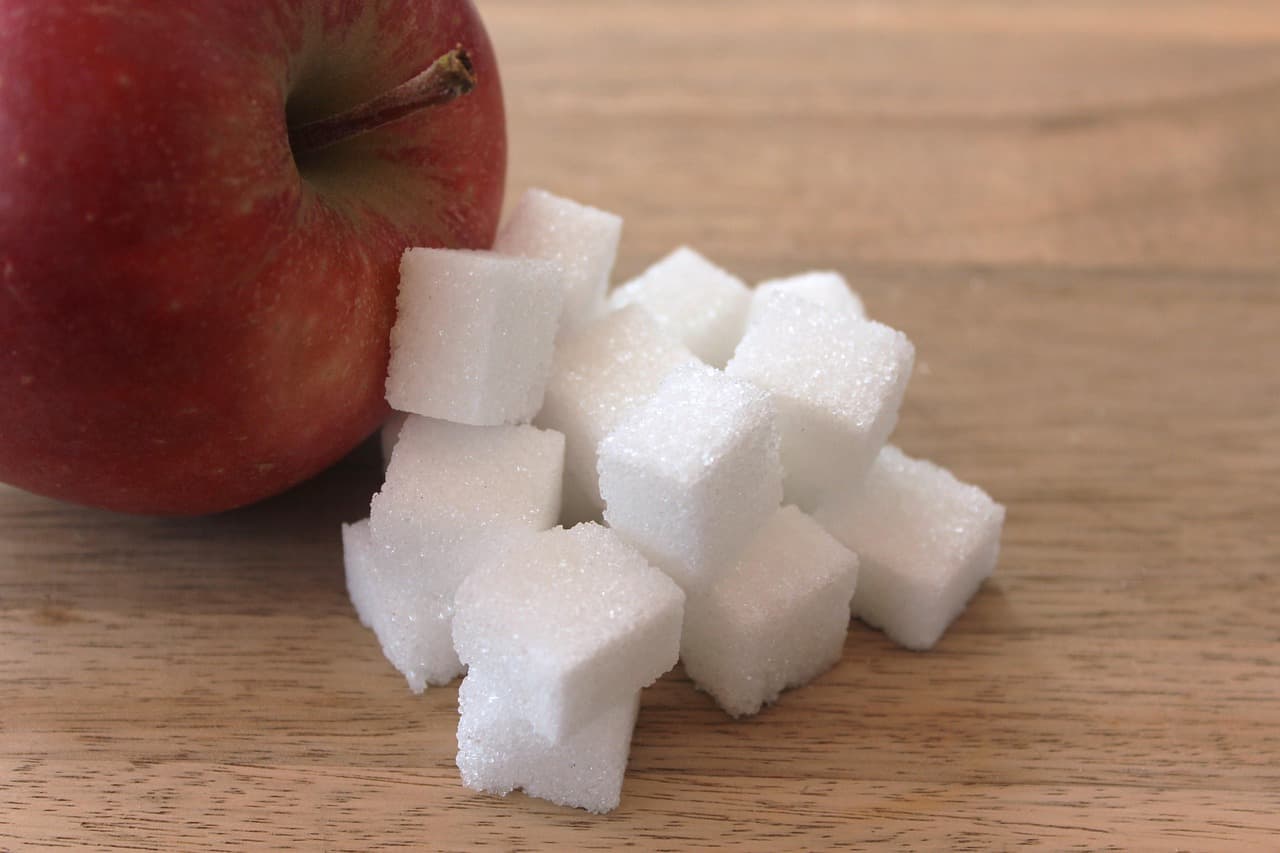
Here's the uncomfortable truth: the fructose in an apple and the fructose in a candy bar are the same molecule. Your body doesn't scan for a "natural" stamp before metabolizing it. So if someone tells you fruit sugar is fundamentally different from table sugar, they're oversimplifying.
But that doesn't mean added sugar and natural sugar are the same experience for your body. The difference isn't the sugar itself — it's everything the sugar is traveling with.
It's the Package, Not Just the Passenger
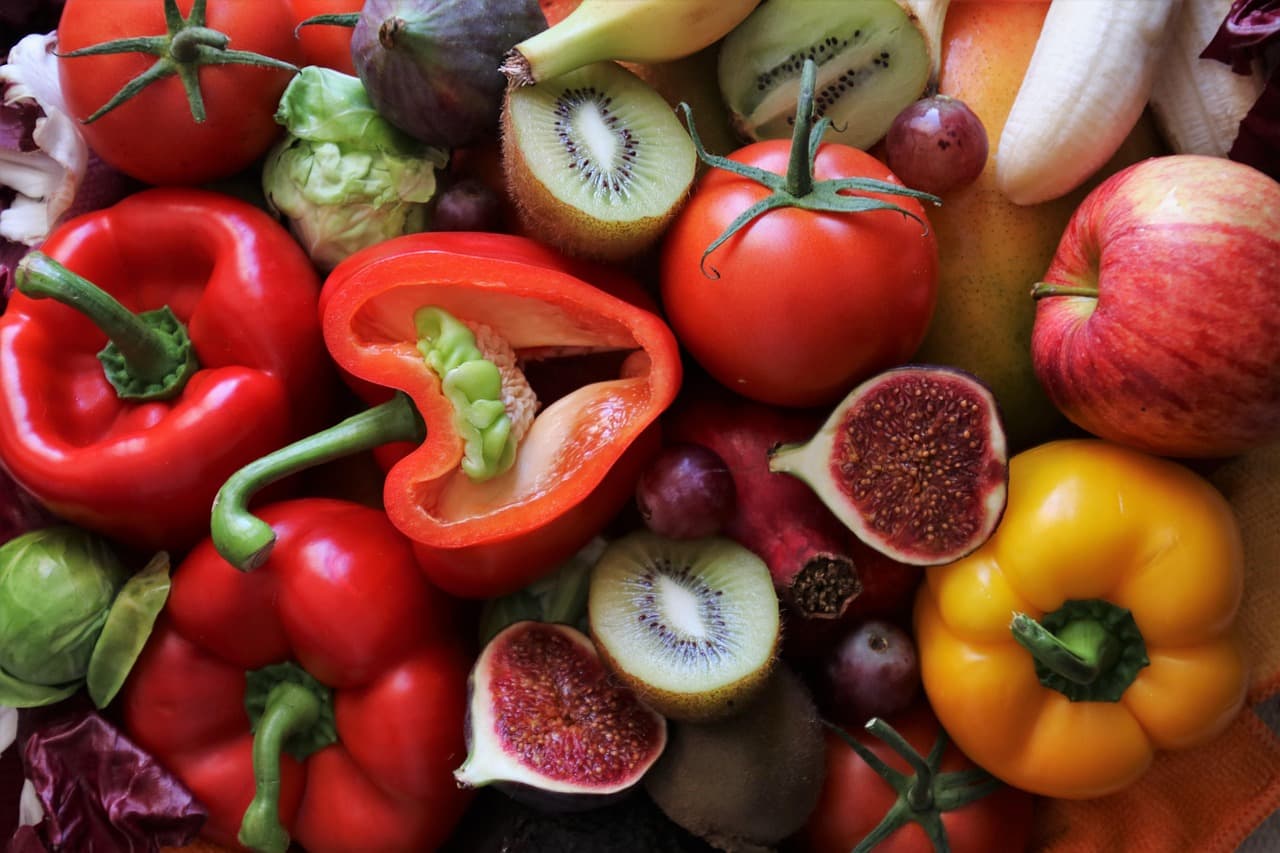
When sugar occurs naturally in whole food, like fruit, dairy, or vegetables, it rarely shows up alone. It comes wrapped in fiber, water, protein, and micronutrients — what nutrition folks call the "food matrix."
Eat a whole orange and you're chewing through fiber that slows digestion, water that adds volume without calories, and a dose of vitamin C and potassium along the way. Your blood sugar rises more gradually, you feel fuller, and you'd struggle to eat five oranges in one sitting because your gut tells you to stop.
Now juice that same orange, or worse, extract just the sugar and add it to a granola bar. Strip away the fiber and water, and you've got a fast, concentrated hit of sugar with none of the built-in brakes. It's easier to overeat, it spikes blood sugar faster, and it adds calories without the fullness signal that whole food provides. That's the real reason added sugar deserves more scrutiny — not because the sugar molecule is evil, but because it's usually stripped of the context that makes eating self-limiting.
Why "Natural" Sugar Still Has a Ceiling
This isn't a green light to go wild on dried fruit or fruit smoothies, either. The moment you concentrate natural sugar — drying it, juicing it, blending it into a smoothie with three bananas — you're removing some of that matrix and making it easier to overconsume. A handful of raisins has way more sugar packed into it than the same weight of grapes, simply because the water's gone.
So the honest framing is less "natural good, added bad" and more: the more intact and unprocessed the food, the more the sugar comes with natural guardrails. The more processed it gets, the more those guardrails disappear, whether it started as fruit or beet syrup.
Where Added Sugar Actually Hides
Most people picture added sugar as candy and soda, which is true, but the bigger issue is how often it shows up in foods that don't taste sweet at all. That's what makes it sneaky — you're not choosing to eat dessert, you're just eating dinner.
Common places added sugar hides:
- Pasta sauce — a few grams per serving is normal, and cheaper brands often use more
- Bread, even plain sandwich bread
- Flavored yogurt, which can carry as much sugar as a dessert
- Granola bars and "protein" bars, often built around syrup binders
- Salad dressings, especially anything labeled "light" or "low-fat"
- Ketchup and BBQ sauce
- Instant oatmeal packets
- Deli meats and marinades
- Cereal, including versions marketed as healthy
- Non-dairy milks, if not labeled unsweetened
None of these are catastrophic on their own. The issue is that they stack. A few tablespoons of sauce here, a flavored yogurt there, a slice of bread with both meals — it adds up to real added sugar without a single obviously "sweet" food in sight.
What to Actually Do About It
You don't need to eliminate added sugar or treat every ingredient label like a crime scene. A few things matter more than perfection:
- Prioritize whole foods for your sugar intake when you can — fruit over fruit snacks, plain yogurt with your own fruit over pre-flavored cups.
- Check labels on foods that don't taste sweet — sauces, breads, dressings — since that's where added sugar surprises people most.
- Don't sweat small amounts in whole, minimally processed foods. A splash of sauce or a slice of bread isn't the problem; a diet built on ultra-processed staples is.
- Watch total grams per day loosely, not obsessively. Consistency matters more than any single meal.
If you're trying to get a handle on where your added sugar is actually coming from, scanning a barcode with something like Calerio is a fast way to see it broken out from total sugar without reading every ingredient list yourself. You don't need to become a full-time label detective — you just need enough visibility to catch the patterns worth changing.