10 Foods That Can Help Lower Your Cholesterol
August 27, 2026
Cholesterol is more nuanced than "avoid eggs"
For decades, dietary cholesterol got treated as the main villain in heart disease, and eggs took the brunt of the blame. The science has moved on: for most people, dietary cholesterol has a smaller effect on blood cholesterol than saturated fat and overall dietary pattern do. That's a meaningful shift — it means the conversation isn't really about avoiding specific foods with cholesterol in them, it's about building a pattern of eating that supports healthy levels overall.
The two numbers that matter most are LDL (often called "bad" cholesterol, since high levels are linked to arterial plaque buildup) and HDL ("good" cholesterol, which helps clear cholesterol from the bloodstream). Diet can move both, and a handful of foods have real evidence behind them for doing exactly that.
Foods with genuine cholesterol-lowering evidence
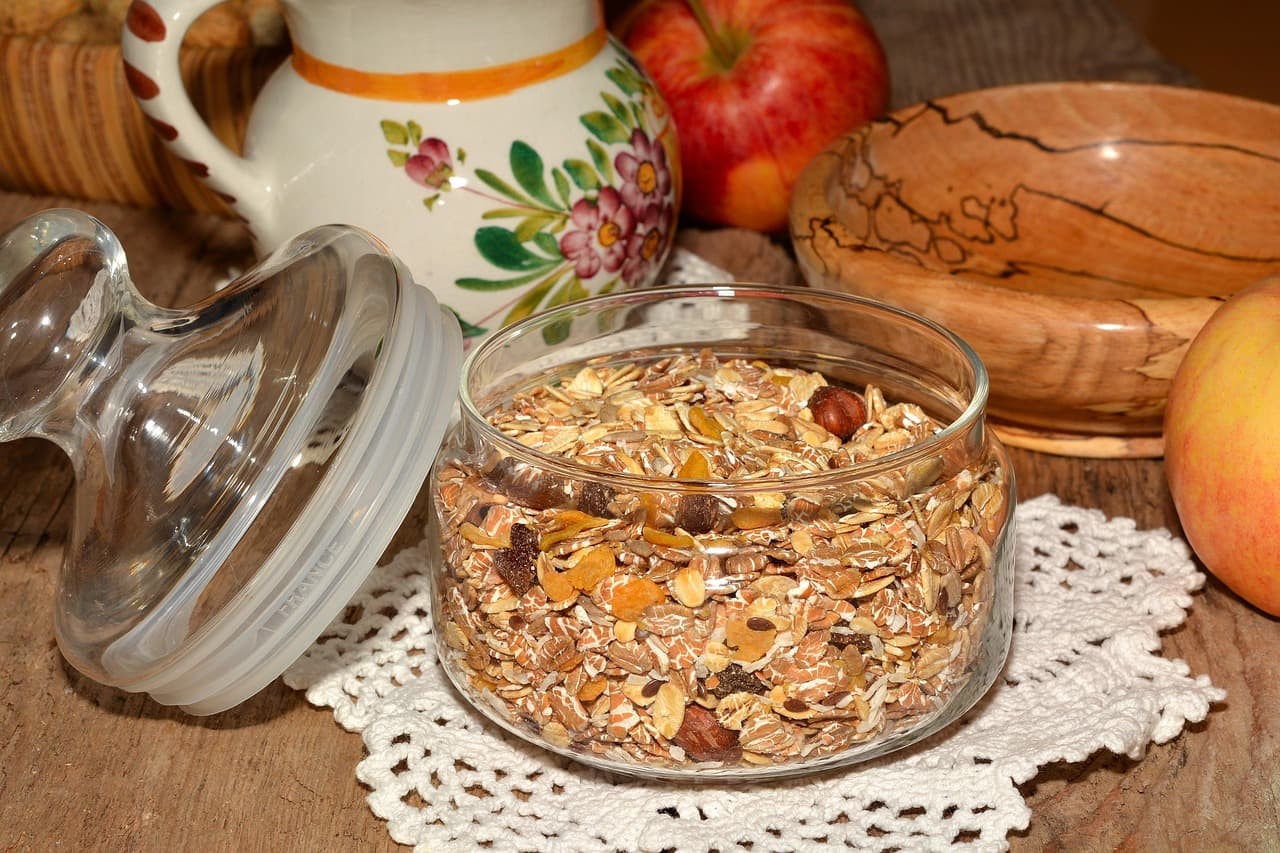
- Oats and barley — rich in a soluble fiber called beta-glucan, which binds to cholesterol in the digestive tract and helps remove it from the body. A bowl of oatmeal most mornings is one of the better-supported dietary habits for LDL.
- Beans and legumes — high in soluble fiber, and studies consistently show regular legume consumption is associated with lower LDL.
- Fatty fish (salmon, mackerel, sardines) — the omega-3 fats don't directly lower LDL much, but they help lower triglycerides and support overall cardiovascular health, which matters alongside cholesterol numbers.
- Nuts (almonds, walnuts especially) — a modest daily handful is linked to improved cholesterol ratios, likely from a combination of unsaturated fats, fiber, and plant sterols.
- Avocado — high in monounsaturated fat, which research associates with lower LDL when it replaces saturated fat in the diet, rather than just being added on top of everything else.
- Olive oil — a cornerstone of Mediterranean-diet research, consistently linked to improved cholesterol profiles when used in place of butter or other saturated fats.
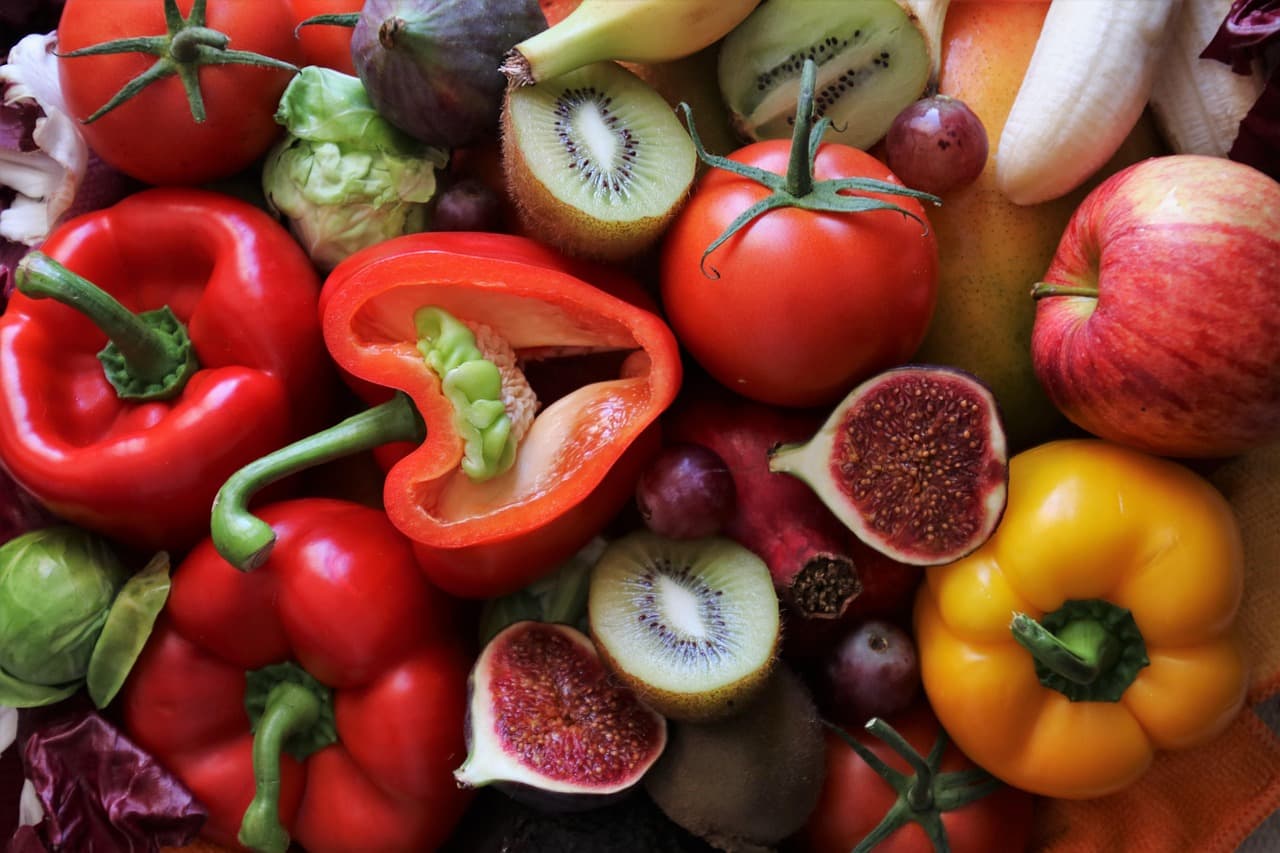
- Apples, citrus, and berries — contain pectin, a soluble fiber with a similar cholesterol-binding effect to what's found in oats.
- Soy foods (tofu, edamame, soy milk) — modestly effective at lowering LDL, especially when they replace animal protein rather than being added alongside it.
- Fortified foods with plant sterols/stanols (some margarines and orange juices) — plant sterols directly compete with cholesterol for absorption in the gut, and have some of the most consistent, dose-dependent evidence of any food-based intervention.
- Fatty avocado-adjacent produce aside, garlic has modest, mixed evidence for a small cholesterol-lowering effect — worth including for flavor and general health even if the cholesterol effect is minor on its own.
What matters just as much as what you add
Adding cholesterol-friendly foods works best alongside reducing the foods that push levels the other way — primarily saturated fat (fatty cuts of red meat, butter, full-fat dairy, and fried food) and trans fat (found in some processed and fried foods, worth avoiding regardless of cholesterol goals). This isn't about eliminating meat or dairy entirely for most people — it's about the overall ratio, and swapping some saturated fat sources for the unsaturated ones listed above.
Building a realistic pattern, not a strict list
Trying to force in ten "superfoods" while changing nothing else rarely moves the needle much. What actually works, based on the research on dietary patterns like the Mediterranean diet, is a consistent shift:
- Swap the cooking fat. Use olive oil instead of butter most of the time.
- Make legumes a regular side, not a rare guest. A few times a week, not once a month.
- Snack on nuts instead of chips or crackers, in a modest portion (a handful, not a bag).
- Choose fish over red meat a couple times a week.
- Start the day with oats when you can, instead of a refined-grain breakfast.
None of these require dramatic willpower — they're substitutions more than restrictions, which is part of why dietary patterns built this way tend to actually stick.
Tracking it without obsessing
You don't need to calculate LDL contributions from every meal — that's not realistic or necessary. What's genuinely useful is noticing, over a couple of weeks, whether oats, legumes, nuts, and fish are actually showing up in your rotation or just staying a good intention. Logging meals with something like Calerio makes that pattern visible instead of assumed, so you can see whether cholesterol-friendly swaps are actually happening or just sound good in theory.
Cholesterol management is a marathon of small, repeated choices, not a single dramatic diet overhaul — and the foods on this list are some of the better-evidenced ways to spend that daily effort.