Nutrition
Protein timing: does it actually matter?
5 min read
For years, the advice was to slam a protein shake within 30 minutes of finishing a workout or lose the gains. The research since has been much less dramatic than that advice suggested.
The window is wider than you think
Muscle protein synthesis stays elevated for roughly 24 hours after resistance training, not 30 minutes. A 2013 meta-analysis in the Journal of the International Society of Sports Nutrition found no significant difference in strength or muscle gain between people who ate protein immediately post-workout and those who ate it a few hours later, as long as total daily protein was similar.
What actually matters more
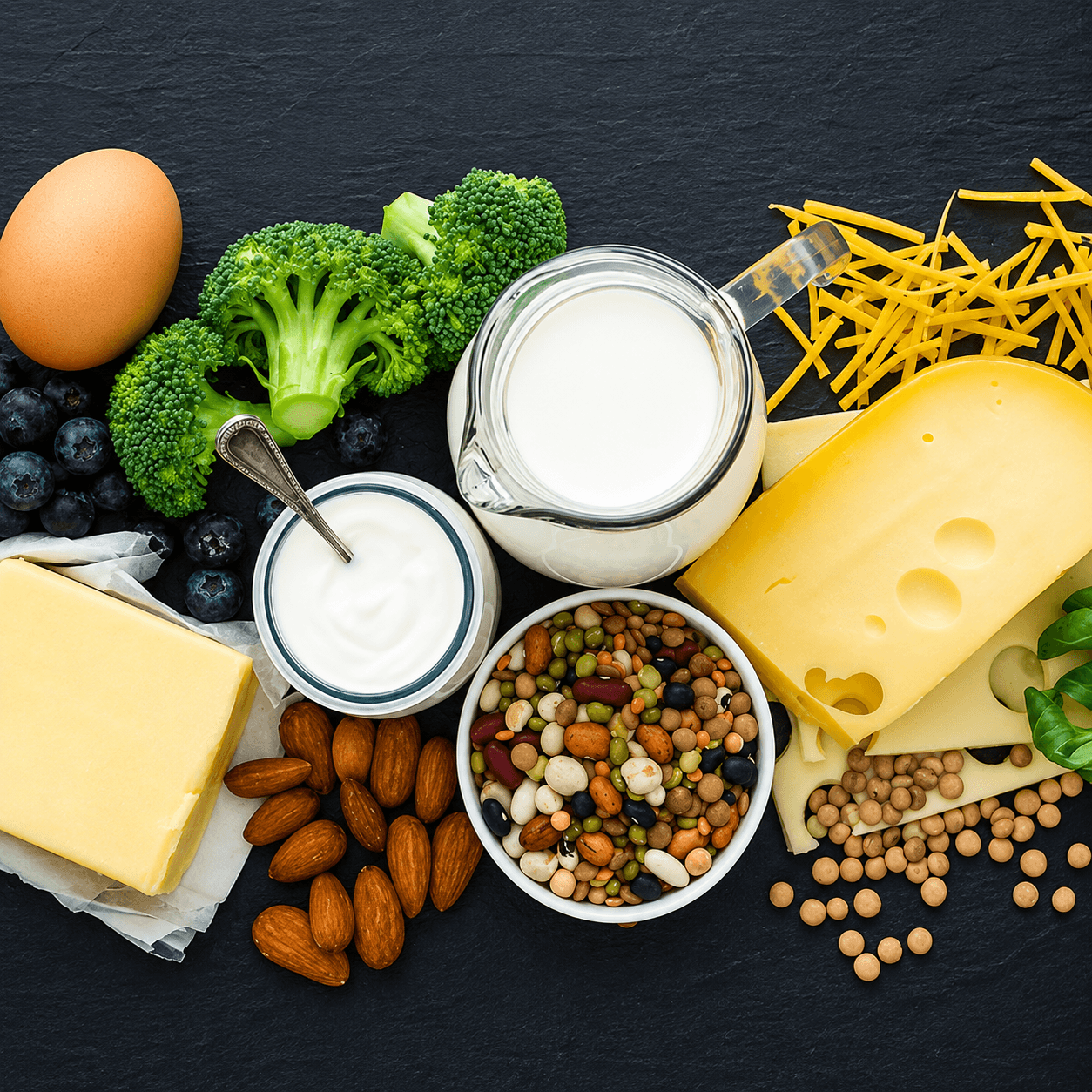
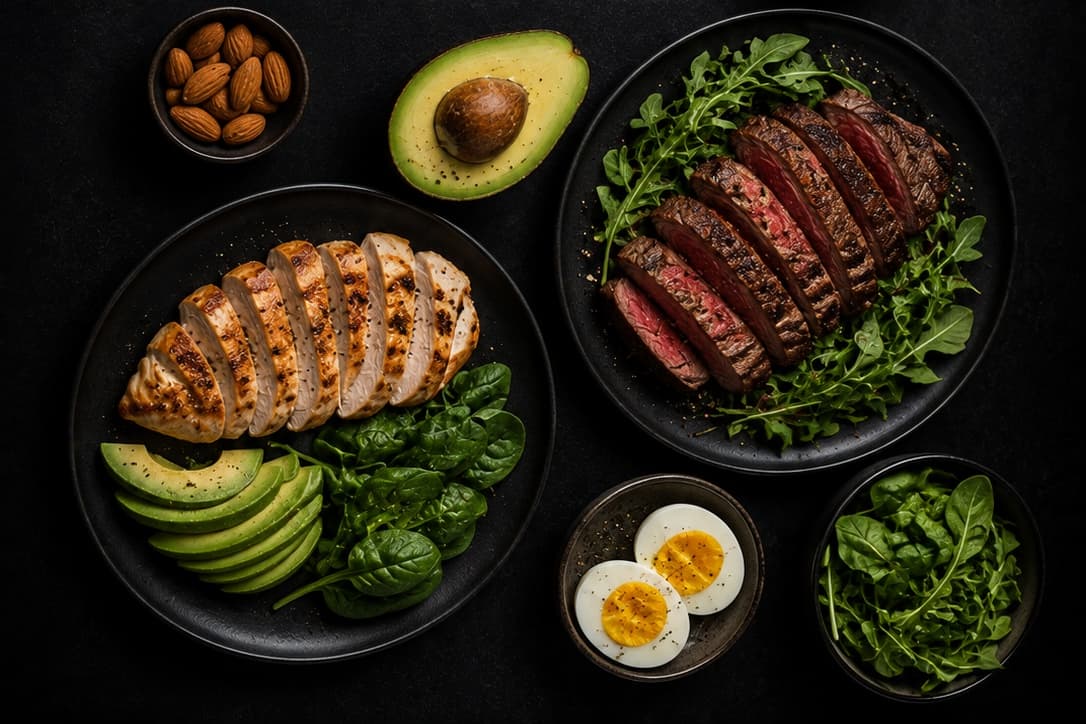
Two things consistently show up as bigger levers than exact timing: hitting your total daily protein target, and spreading it across three or four meals instead of one big dinner serving. Distributing protein evenly gives your body a steadier supply of amino acids to work with throughout the day.
That's most of why Calerio tracks protein per meal, not just as a daily total — a ring that's full by dinner but empty until 6pm tells a different story than three balanced meals hitting the same number. If you're training and short on protein at lunch, that's the gap worth closing, not the stopwatch on your shaker bottle.